How Paper Is Made: From Fibre to Finished Sheet
Understanding that journey can also help designers, printers, and brands make more informed paper choices.
It Starts with Fibre
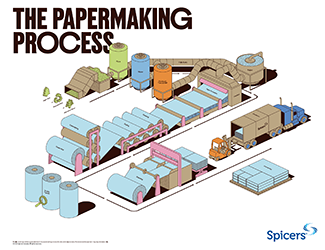
Paper can begin with fibre extracted from wood, recycled paper, or alternative plants. These fibres are processed through pulping and refining, then blended with water and papermaking additives to create a fluid mixture called slurry.
The type of fibre matters. Hardwood fibres tend to be shorter, contributing to a smoother surface and detailed print reproduction, while longer softwood fibres add strength and flexibility. Cotton, recycled fibre and alternatives such as hemp, bamboo and miscanthus can bring their own performance, tactile and sustainability characteristics.
From Slurry to Sheet
As water drains away, the fibres begin to settle, interlock and align. This stage is known as formation, and it is where the sheet starts developing its structure and grain direction. Formation can ultimately influence everything from print performance and surface consistency to how well a finished piece folds.
Pressing and Creating Texture
This is also where some of paper’s distinctive character can begin to emerge. If a textured finish is required, a dandy roll can be used while the sheet is still wet to subtly rearrange its fibres. Laid lines, woven effects and watermarks can all be created this way — making the texture part of the paper itself rather than something simply applied to its surface.
Drying and Finishing
Depending on the desired finish, the paper may then pass through a calender stack, where controlled pressure adjusts its smoothness, thickness and surface gloss. Lighter calendering can preserve more of the paper’s tactile quality, while greater pressure creates a smoother, more polished surface suited to detailed print work.
From the Mill to You
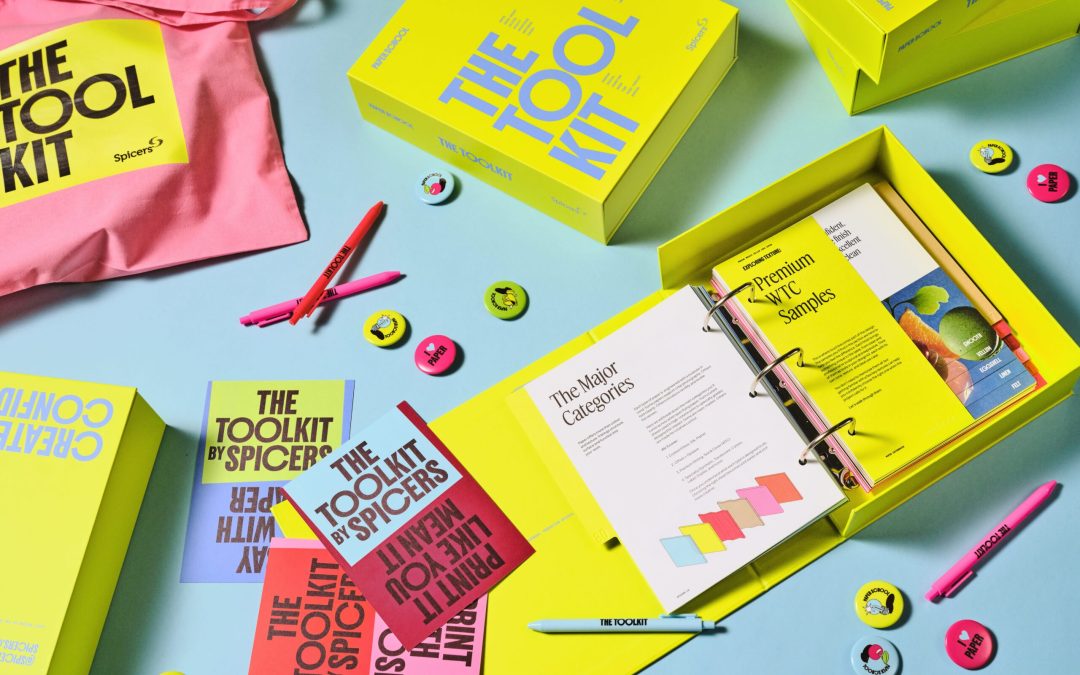
What looks like a simple sheet is really the result of fibre selection, water, pressure, heat and precision working together. And those decisions made during manufacturing ultimately influence how paper looks, feels, folds, prints and performs— the core idea introduced in Section Four of the Paper School Toolkit.
See the Entire Process